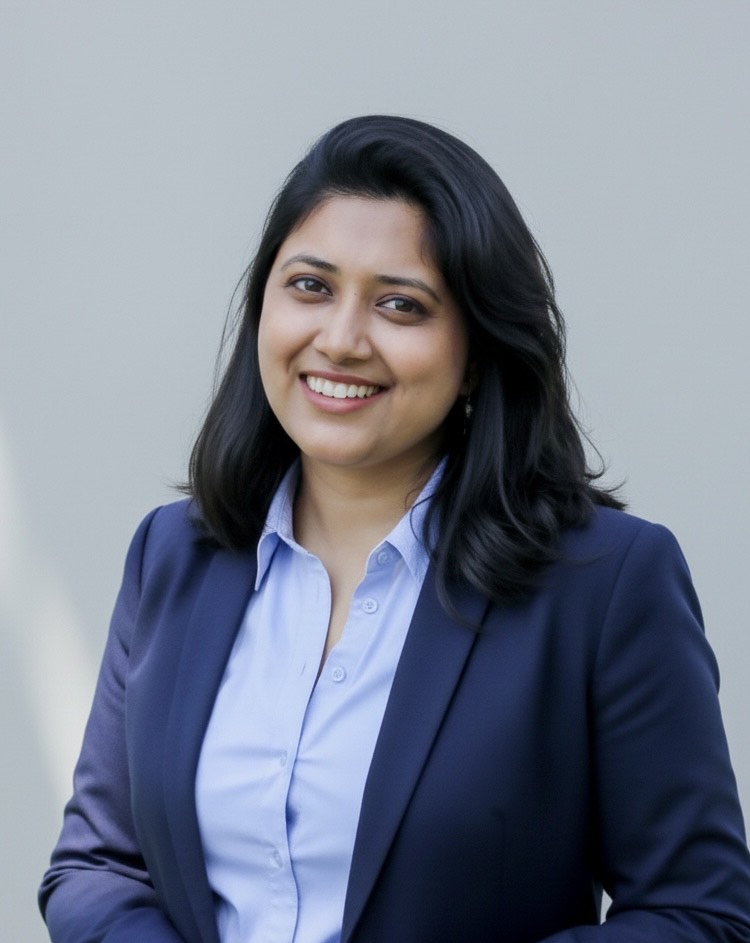
Hydrologist & Flood Risk Specialist
PhD scientist specializing in flood hazard modeling, remote sensing, precipitation forecasting, and hydrologic risk assessment. Developing operational forecasting systems that protect communities and infrastructure from extreme weather events.
I am a hydrologist with expertise in flood modeling, risk assessment, and operational forecasting systems. With a PhD in Civil and Environmental Engineering from Northeastern University, I specialize in combining traditional hydrologic methods with advanced AI techniques to improve flood prediction and disaster preparedness.
My work spans flood depth estimation using remote sensing, real-time flood forecasting for river systems, and precipitation nowcasting. I have implemented operational systems with Tennessee Valley Authority for flood management and hydropower operations, and analyzed major flood events globally.
Currently serving as a Postdoctoral Research Fellow at the Institute for Experiential AI, I work at the intersection of hydrology, remote sensing, and data science to build tools that help communities prepare for and respond to flood hazards. My research has been published in Nature journals and presented to stakeholders including federal agencies, water utilities, and emergency management organizations.
Leading advanced research in AI applications for weather, climate and hydrologic forecasting.
Leading the WEAVE project science team and developing operational flood forecasting systems with TVA. Coordinating multi-institutional collaborations and translating research into practical applications.
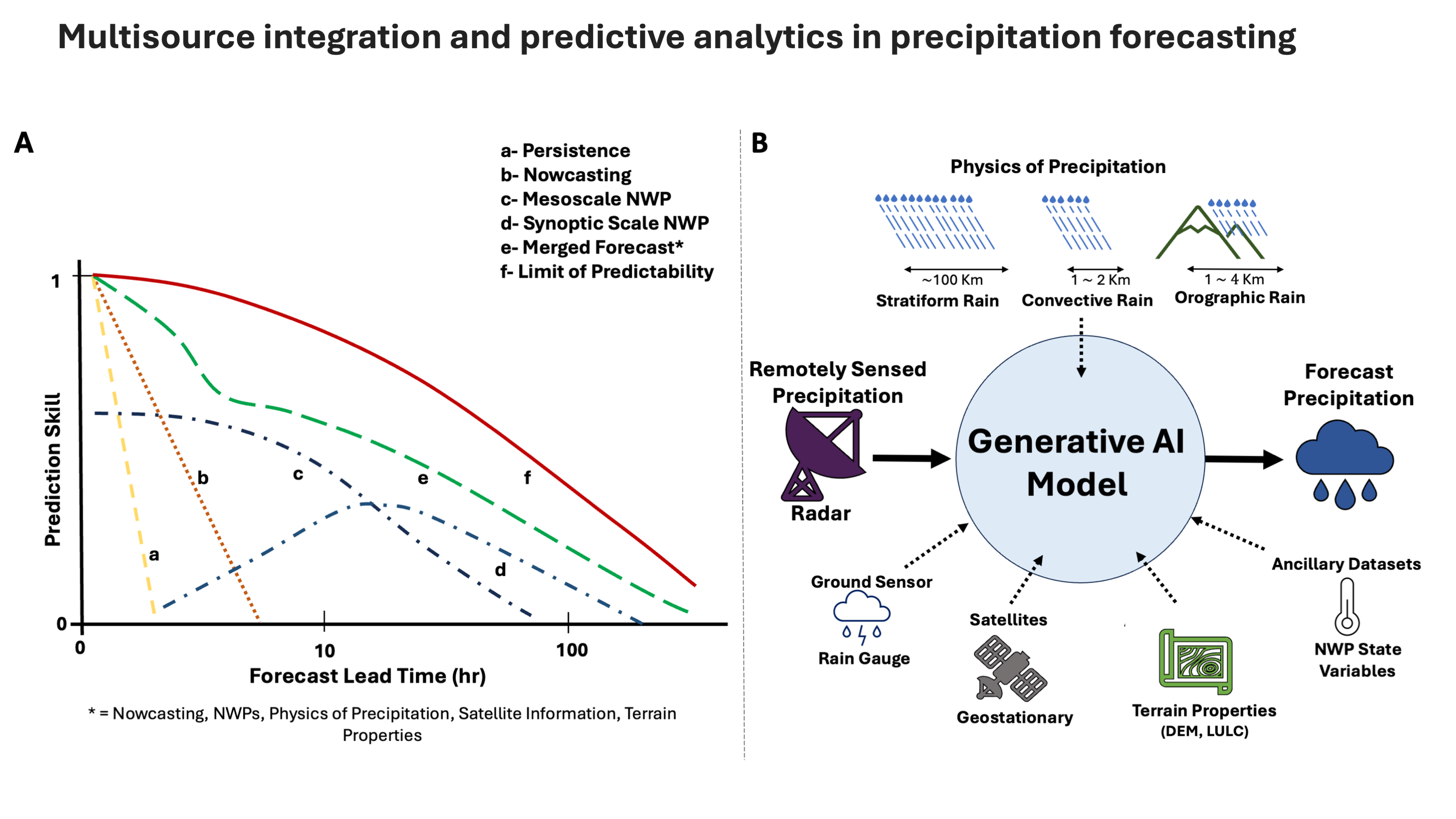
Led the NASA-funded RAIN project, coordinating with multiple institutions including NASA, ORNL, and TVA. Developed hybrid AI-physics models for precipitation nowcasting.
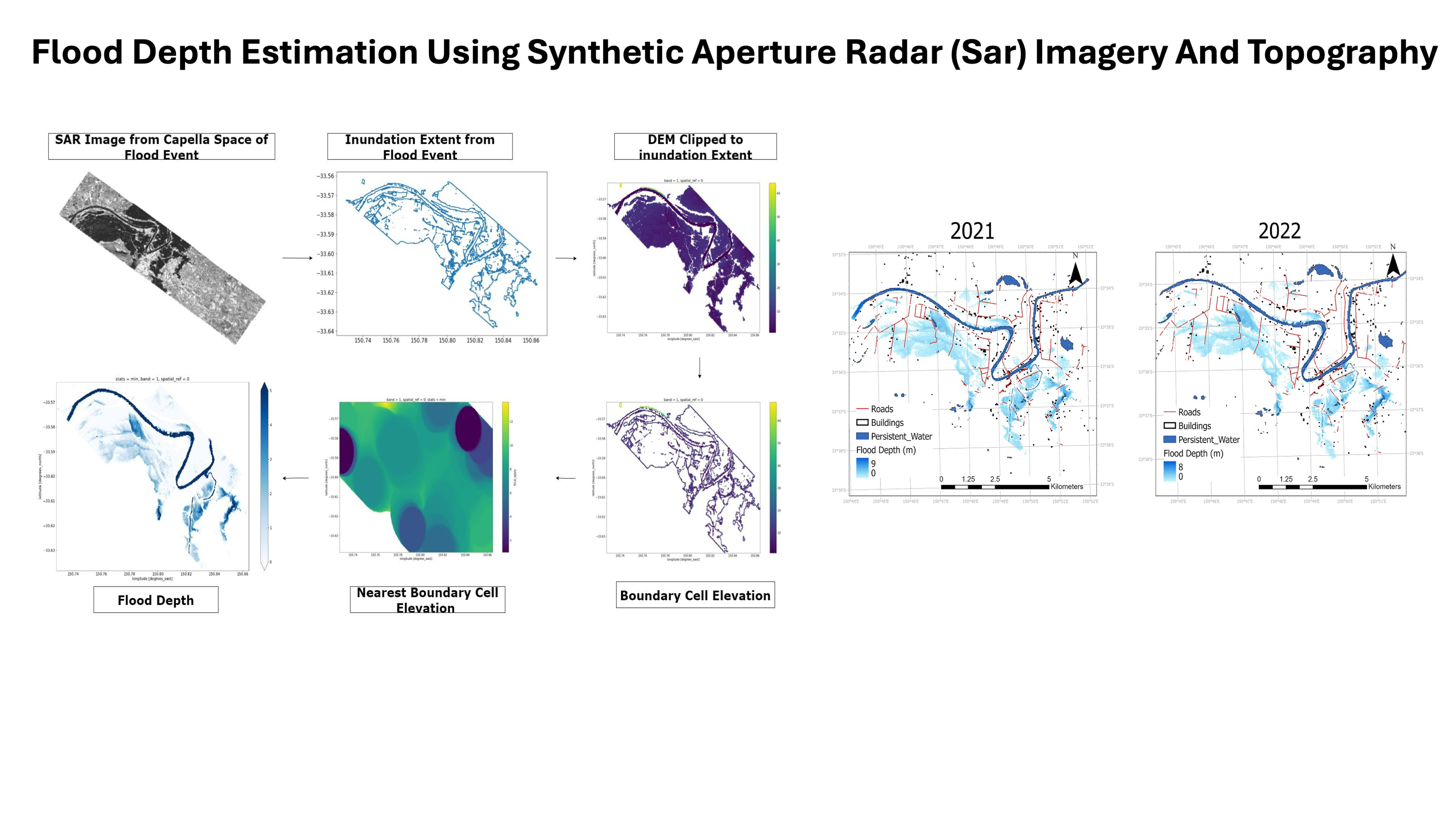
Led flood depth estimation project using SAR imagery and high-resolution topography data for disaster response applications.
Developed uncertainty-aware ML algorithms for quantitative precipitation estimation from geostationary satellites.
Remote-sensing data driven Artificial Intelligence for precipitation-Nowcasting. Developing hybrid physics-ML methodologies for intense orographic precipitation prediction in Appalachia.
Weather Ensemble Analytics and Visualization Environment - Leading science team developing advanced ensemble weather analytics and visualization tools for enhanced decision-making in weather-sensitive operations.
Analyzing precipitation extreme statistics and design curves for hydraulic infrastructures, focusing on urban vs non-urban regions across CONUS.
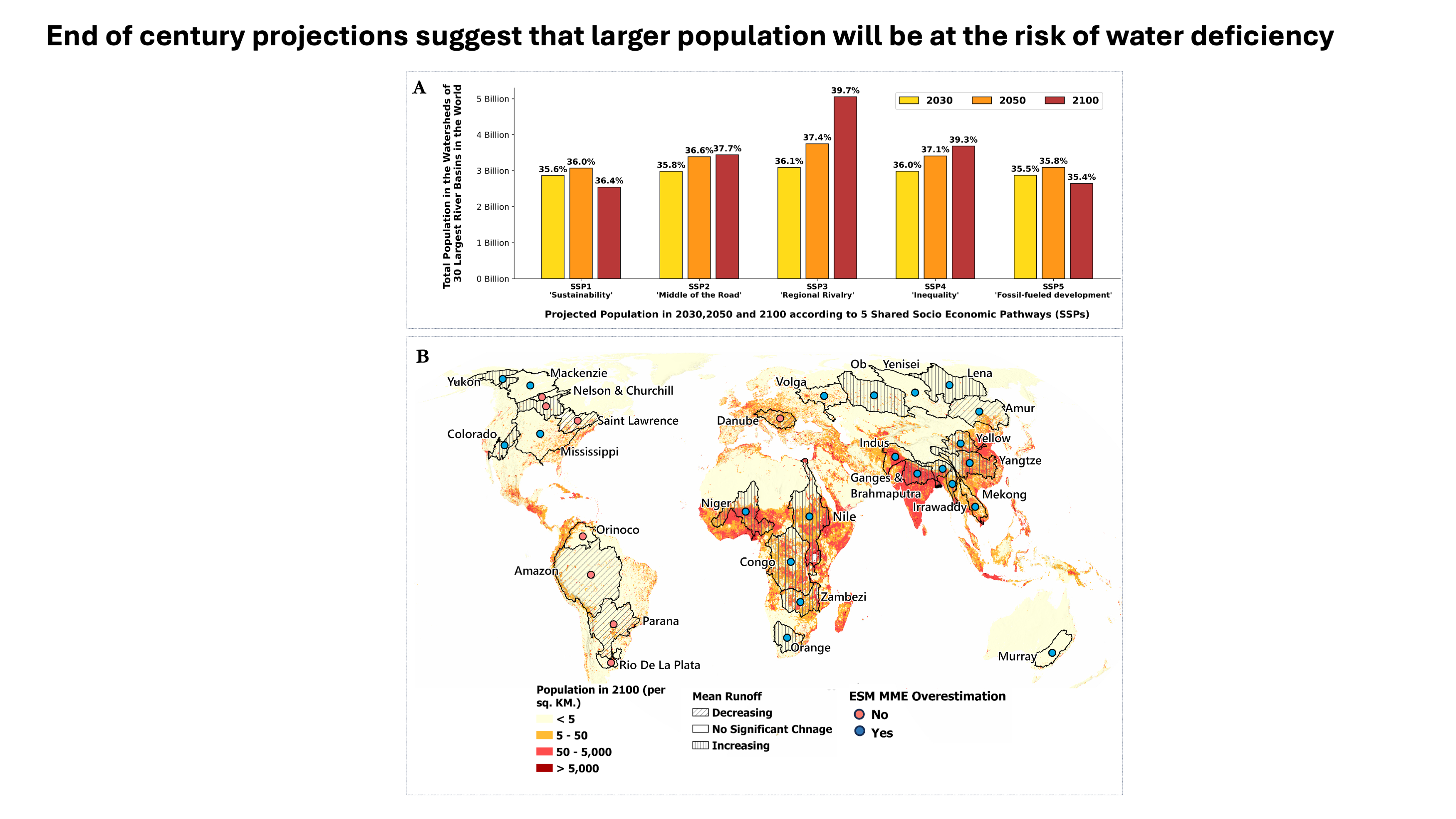
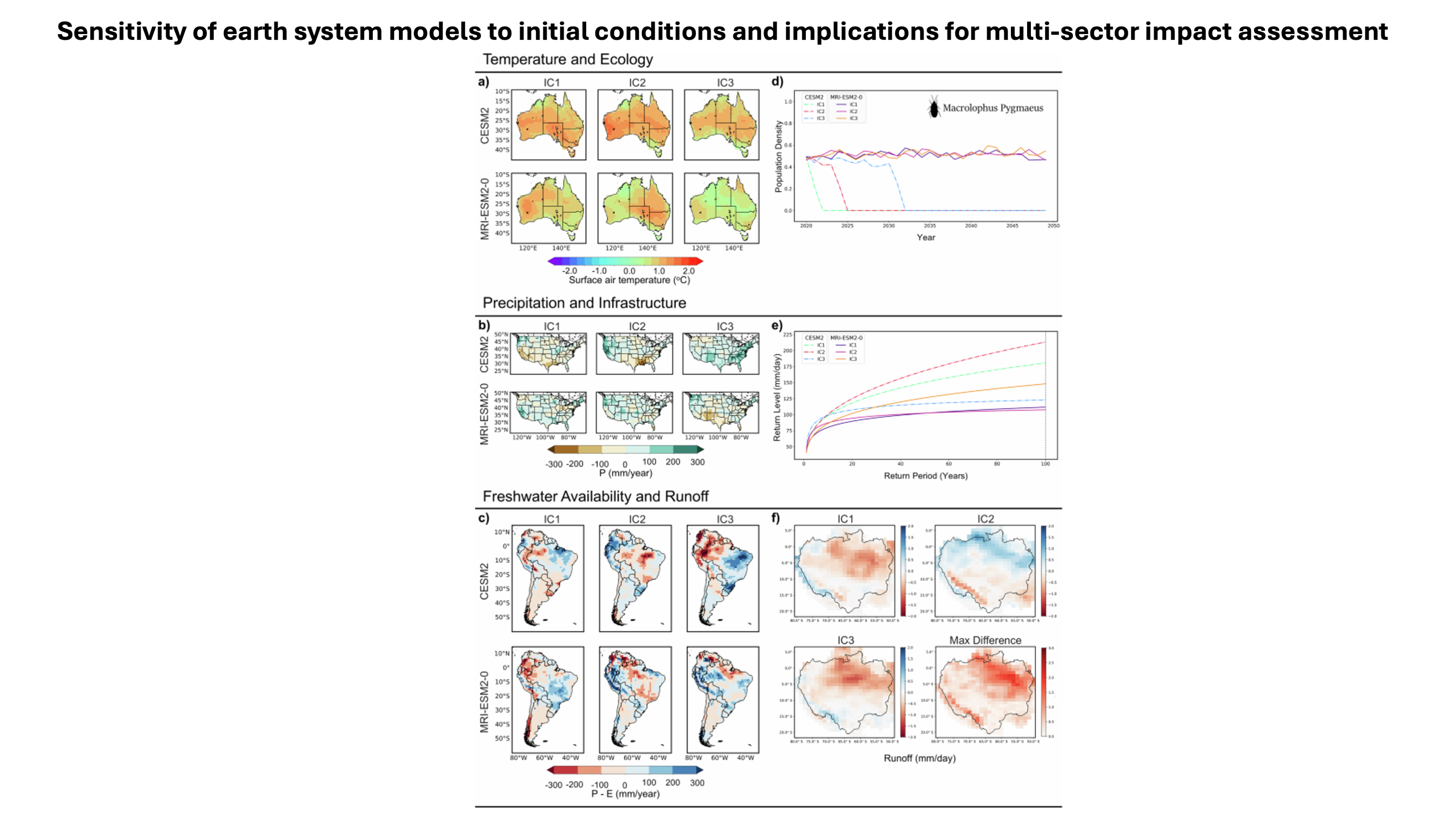
Systematic evaluation of CMIP6 vs CMIP5 models revealing that finer resolutions and comprehensive physical processes improve runoff projections across 30 major global watersheds.
Synthetic Aperture Radar based flood depth estimation and damage assessment using satellite imagery and digital elevation models.
Served as a teaching assistant and delivered guest lectures as well as contributed to curriculum development. Courses include Climate Science Engineering Adaptation and Policy, Time Series and Geospatial Data Sciences, Probability and Engineering Economy for Civil Engineering and Critical Infrastructure Resilience.
Recognized for exceptional contributions to teaching and academic support, including conducting interactive tutorials, providing one-on-one student guidance, and fostering collaborative learning environments.
Coordinated international study programs in India and Nepal, designing orientation sessions, managing logistics, and facilitating cultural immersion activities for undergraduate students.
Mentored PhD students, undergraduates, and high school students in machine learning, climate modeling, and research methodology. Conducted specialized tutorials for students at Tufts University.
Assisted in developing AI for Science course materials at Northwestern University and conducted Earth System Model data analysis tutorials, enhancing understanding of complex climate science concepts.
Learn how to analyze climate data using Python and various data science techniques.
Watch on YouTubeExplore machine learning applications in weather forecasting and climate modeling.
Watch on YouTubeUnderstanding different sea level rise scenarios in Boston's neighborhoods.
View Story MapInformation about power generation along with temperature and precipitation in 2003-2020.
View DashboardMedia coverage of my research and achievements
Northeastern University College of Engineering student spotlight featuring my journey from Bangladesh to developing AI-powered precipitation forecasting systems now being integrated by the Tennessee Valley Authority to protect millions of people.
Read FeatureResearch led by Northeastern University scientists using advanced climate models predicts that 40% of major rivers will experience reduced runoff by 2100, affecting nearly a billion people worldwide.
Read ArticleComprehensive coverage of the UN's midterm review of the Sendai Framework, assessing global progress in disaster risk reduction.
Read ArticleIn collaboration with a Northeastern researcher, the Tennessee Valley Authority plans to test an AI-generated weather forecasting model to better predict extreme rainfalls.
Read ArticleNortheastern University researchers develop AI-powered flood prediction systems to help communities prepare for extreme weather events.
Read ArticleA Dialogue of Civilizations course traveled to India during summer 2023 to study climate science, engineering, adaptation and policy.
Read ArticleResearch on using advanced modeling and AI techniques to reduce the impact of climate-related disasters and improve community resilience.
Read ArticleLet's collaborate on risk assessment, forecasting, and AI applications.